Don t Make Me Call My Auntie Funny Shirt Review
When I first opened the file for Don t Make Me Call My Auntie Funny Shirt, my immediate thought wasn't about the sales potential, but rather the practical challenge of translating this graphic into a stitched reality. As someone who has spent years evaluating embroidery designs for real-world applications, I know that a cute concept on a screen doesn't always translate well to a machine needle. This design falls under the broad category of T-Shirt Designs and is marketed as versatile Graphics, but let's be honest: not every graphic works as an embroidery file. After running through some mental simulations of how this would look on various substrates, I have some strong opinions on where this design fits best in your creative arsenal.
The First Impression: Mood and Layout
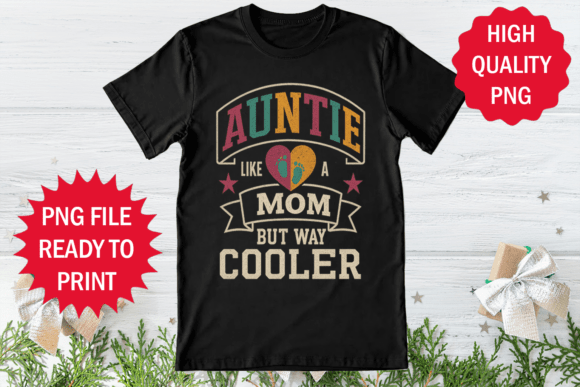
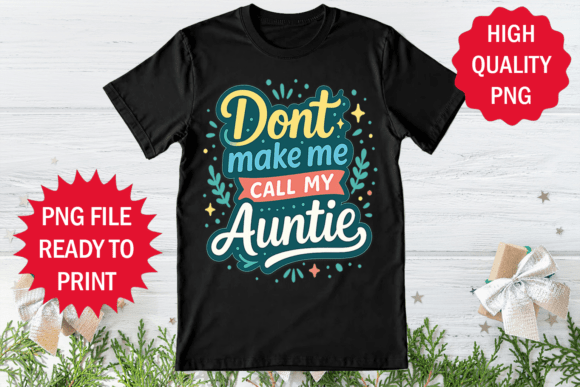
The visual personality of Don t Make Me Call My Auntie Funny Shirt screams casual comfort with a touch of rebellious humor. The layout suggests a playful narrative, likely featuring a character or bold typography that demands attention. For an embroidery designer, the initial assessment is always about density and flow. Does the design feel like it was made for stitching, or does it look like a raster image forced into vector form? The description mentions it is suitable for hoodies, mugs, and caps, which implies a robust outline structure. However, without seeing the specific stitch paths, one must assume that the success of this project relies heavily on how the artist handled the stitch density.
If you are looking to create a handmade product that feels authentic, this design has the potential to be a crowd-pleaser. It taps into a universal family dynamic that resonates with almost everyone. Whether you are making a gift for a chaotic aunt or a humorous piece for a family reunion, the theme is solid. But before you commit to a full production run, you need to consider the texture and weight of the fabric you intend to use. A design this lively needs a stable canvas to truly shine.
Real-World Application: From Screen to Stitch
Let's imagine a real scenario. You are preparing inventory for a local craft fair next month. You decide to produce a line of custom embroidered tote bags and aprons featuring the Don t Make Me Call My Auntie Funny Shirt motif. Your goal is to sell these as unique personalized gifts to busy moms and grandmothers. The design looks great in your digital mockup, but will it hold up after 30 minutes of machine time?
In this context, the design works exceptionally well on heavy cotton canvas for tote bags. The sturdy fabric can support the necessary stabilizer and handle the tension of the needles without puckering. When stitched onto an apron, the design becomes a conversation starter in the kitchen. However, if you try to adapt this same embroidery project onto a thin, stretchy jersey t-shirt without proper hooping techniques, you risk distortion. The text might warp, and the graphic details could lose their definition. This is why testing on scrap fabric is non-negotiable.
I also see this design thriving on baby items, provided the hoop size is managed correctly. A small, centered placement on a baby onesie or a soft blanket creates an adorable holiday embroidery piece. The humor translates differently when applied to a child's garment, turning a cheeky phrase into something endearing. Yet, you must be wary of the thread colors. If the design relies on fine lines or tiny lettering, those details might get lost in the fluff of a fleece blanket or disappear entirely on a dark-colored sweatshirt unless you use high-contrast threads.
Where to Exercise Caution
While this design is versatile, there are specific scenarios where Don t Make Me Call My Auntie Funny Shirt might struggle. Small hoop sizes are the enemy of detailed graphics. If you attempt to shrink this design down to fit a baseball cap front panel, you might find that the curves of the hat distort the straight lines of the text. Curved surfaces require careful digitizing adjustments that standard machine embroidery design files often lack. Without manual intervention, the result could look stretched or misaligned.
Textured fabrics present another hurdle. Embroidery on corduroy, thick denim, or loosely woven linen can cause the stitches to sink or sit unevenly. If the design includes satin stitch areas intended to be smooth, they may appear rough on a bumpy surface. Similarly, dense stitch areas can make the fabric stiff, which is undesirable for items that need to drape softly, like a pillow cover or a lightweight summer shirt. In these cases, the finished product might feel more like a patch than a seamless part of the garment.
Another critical consideration is the longevity of the design. Products that require frequent washing, such as workwear aprons or kids' clothes, put stress on the threads. If the fill stitch coverage is too high, the fabric underneath may become brittle over time. Always check whether the design is optimized for durability or just aesthetic appeal. For commercial embroidery projects, reliability is key; you don't want a customer returning a batch of embroidered patches because the thread unraveled after a single wash.
Visual Appeal and Brand Consistency
The ultimate test of any design asset is its ability to elevate the perceived value of your small shop product. A well-executed version of Don t Make Me Call My Auntie Funny Shirt signals professionalism. It tells the buyer that you care about quality, not just speed. When customers see clean edges, consistent thread colors, and no loose backings, their trust in your brand grows. Conversely, a sloppy execution can undermine even the funniest concept.
This design also offers excellent potential for printable mockups. Even before you stitch the final item, you can use the vector assets to create listings on Etsy or social media. The colorful nature of the graphic stands out in digital thumbnails, drawing clicks from Etsy sellers and craft business owners alike. However, remember that what looks good on a screen isn't always accurate to the physical product. Use black and white mockups to check contrast levels before committing to expensive thread colors.
Practical Designer Notes for Success
If you are ready to bring this design to life, here is your checklist for a successful outcome. First, always test the design on a scrap of the exact fabric you plan to use. This reveals issues with puckering, thread breaks, or stabilizer requirements that you wouldn't see on a computer. Second, review the stitch density. If the design feels too heavy, consider reducing the fill percentage or simplifying the running stitch elements.
Confirm your hoop size matches the design dimensions. Do not force a large design into a small hoop without resizing, as this alters the proportions and can ruin the balance of the text. Check whether the design works for both personal and commercial projects by reviewing the license terms carefully. Many digital embroidery file packages restrict commercial use unless you purchase a specific upgrade. Ignoring this can lead to legal trouble down the road.
Finally, inspect small details closely. Tiny letters or intricate corners are often the first things to fail during stitching. If the original file lacks sufficient detail, you may need to manually adjust the digitizing to ensure clarity. By taking these steps, you ensure that your finished product reflects the creativity and humor intended by the original graphics. With the right preparation, Don t Make Me Call My Auntie Funny Shirt can become a staple in your collection of custom apparel and personalized gifts.