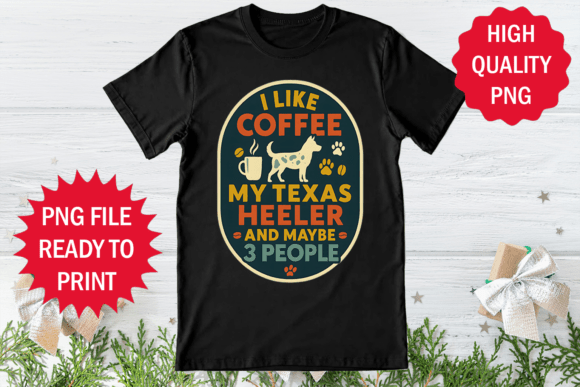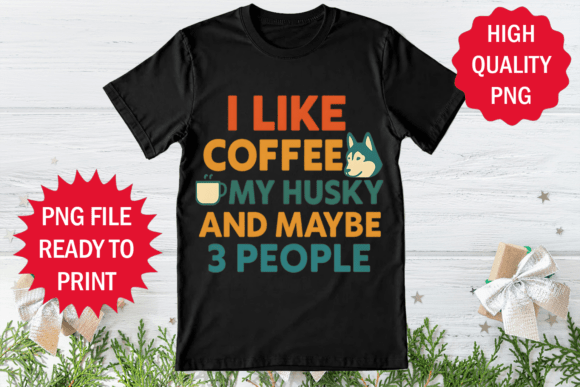
I Like Otters and Maybe 3 People Shirt Review
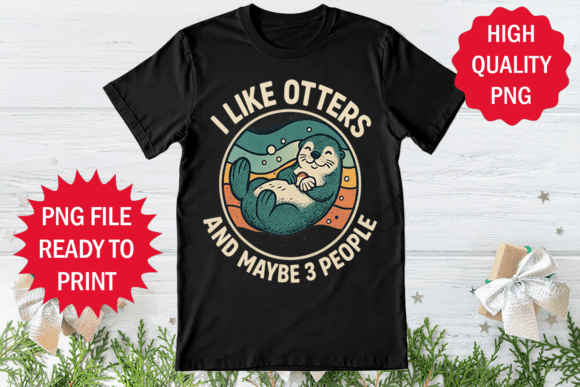
As a designer who has spent years turning digital files into tangible, stitched masterpieces, I know that the difference between a good design and a great one often lies in the details. When I first encountered I Like Otters and Maybe 3 People Shirt, it wasn't just another graphic; it was a conversation starter waiting to happen. This piece falls under the broad umbrella of T-Shirt Designs and Graphics, but its potential extends far beyond a simple screen print. It is a versatile asset for anyone looking to create something with personality, from a custom embroidered patch to a boutique hoodie.
The first impression of this design is undeniably warm and relatable. The theme of an otter combined with a humorous, slightly introverted quote creates a mood that is both playful and authentic. In the world of handmade products, authenticity sells. This design doesn't try to be everything to everyone; instead, it speaks directly to the quiet observer who loves nature and animals. Visually, the layout suggests a balanced composition that could work well on various substrates, provided you understand how embroidery translates flat graphics into texture.
Bringing the Design to Life: A Real-World Scenario
Let me take you through a specific scenario where I would deploy I Like Otters and Maybe 3 People Shirt. Imagine I am preparing a collection of gifts for a holiday market. My goal is to create a line of premium aprons for a local coffee shop owner who is known for being a bit shy but incredibly kind. The design fits perfectly here. Instead of a standard logo, we use this graphic to tell the story of the person behind the counter.
When stitching this onto a heavy cotton canvas apron, the contrast between the soft, rounded lines of the otter and the bold text creates a tactile experience. The customer receives the apron, touches the raised satin stitches, and immediately connects with the humor. It transforms a utilitarian item into a personalized gift. This same logic applies to a baby onesie for a nursery, where the softness of the embroidery adds a layer of comfort and care. For an Etsy seller, this design offers a unique angle that separates their shop from generic animal prints. It isn't just an otter; it is an attitude.
Performance Across Different Embroidery Projects
The versatility of I Like Otters and Maybe 3 People Shirt makes it a strong candidate for various commercial embroidery projects. However, success depends heavily on the medium. On custom apparel like sweatshirts or t-shirts, the design shines because the fabric provides enough stability to hold the shape without distorting. The text needs to remain legible, so the stitch density must be carefully managed to ensure the letters don't merge together.
For smaller items like caps or hats, the curvature of the surface presents a challenge. While the design might look great on a flat mockup, the distortion around the brim can make the text difficult to read if the hoop size is too small. Similarly, when creating an embroidered patch, the border and the density of the fill stitches become critical. If the design includes intricate details, they may get lost in the thick thread required for a patch. Therefore, this design is best suited for larger surface areas where the details can breathe.
In the realm of home decor, such as pillow covers or kitchen towels, the design excels. These items are typically made of stable fabrics that hold up well to frequent washing. A tote bag design featuring this graphic could be a hit at craft fairs, offering a durable and stylish accessory. The key is to match the thread colors to the fabric texture. A dark background requires lighter threads to pop, while a light fabric allows for deeper, richer tones.
Navigating Potential Pitfalls and Limitations
Even the most charming designs have limitations. I Like Otters and Maybe 3 People Shirt should be used with caution on small hoop sizes. If you attempt to stitch this on a tiny item, the fine details might disappear, leaving a muddy blob of thread. Textured fabrics, such as fleece or heavy corduroy, can also obscure the clarity of the design. The uneven surface of these materials makes it difficult for the needle to penetrate consistently, leading to puckering or skipped stitches.
Stretchy fabrics present another hurdle. Without proper stabilizer, the tension of the embroidery can cause the fabric to warp, ruining the alignment of the text. Dark fabrics require careful consideration of thread color contrast; if the threads blend too much with the background, the message gets lost. Additionally, layered garments, like a jacket over a shirt, can make the finished product feel stiff and uncomfortable if the stitch density is too high.
Curved surfaces like caps demand precision. If the design is not digitized specifically for the curve, the text may appear distorted when viewed from the front. Tiny lettering within the design is particularly risky; what looks clear on a screen can become illegible once stitched. Dense stitch areas can also lead to fabric perforation, weakening the material over time, especially on products that need frequent washing.
Impact on Visual Appeal and Brand Value
A well-executed embroidery project elevates the perceived value of a product. When a customer sees I Like Otters and Maybe 3 People Shirt stitched with precision, it signals professionalism and attention to detail. This builds trust and encourages repeat business. The design's personality adds a human touch that mass-produced items lack. It fosters a connection between the maker and the wearer, making the finished product more than just clothing—it becomes a statement piece.
For creative entrepreneurs, using this design effectively can enhance brand consistency. Whether it appears on a sticker, a mug, or a banner, the cohesive visual identity strengthens recognition. In the competitive landscape of Etsy listings and digital product previews, high-quality embroidery mockups are essential. They allow buyers to visualize the final result, reducing hesitation and increasing engagement.
Essential Notes for the Embroidery Designer
Before committing to a production run, there are several practical steps every designer should take. First, always test the design on scrap fabric that matches your final project. This helps you identify any issues with stitch density or thread tension before you ruin a valuable piece. Check the thread color contrast against the actual fabric, as lighting can alter perception.
Review the stitch types closely. Satin stitch should be smooth and even, while fill stitch should cover the area completely without gaps. Running stitch details must be crisp. Confirm the hoop size is appropriate for the design dimensions to avoid unnecessary trimming or distortion. Inspect small details under magnification to ensure they will hold up in real-world use.
It is also wise to test the design in black and white mockups to verify readability. Compare how it looks on light versus dark fabric backgrounds to determine the best application. Use the proper stabilizer to support the fabric during stitching, preventing puckering. Finally, confirm whether the design works for both personal and commercial projects and check the licensing terms thoroughly before selling finished items or distributing digital embroidery files.
By approaching I Like Otters and Maybe 3 People Shirt with these considerations, you ensure that your embroidery project is not only visually stunning but also technically sound. This thoughtful approach turns a simple graphic into a lasting, high-quality product that customers will cherish.