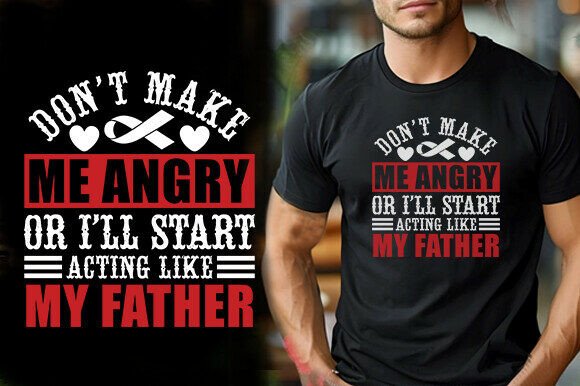
Don't Make Me Angry or I'll Start Acting
When I first opened the file for Don't Make Me Angry or I'll Start Acting, my immediate reaction was a mix of amusement and practical caution. As someone who has spent years reviewing embroidery designs for real-world applications, I know that a clever slogan is only half the battle; the other half is whether it actually holds up under the needle. This design falls squarely into the T-Shirt Designs and Graphics category, but its potential extends far beyond a simple cotton tee. It feels like a piece of personality waiting to be stitched onto something with character.
The mood this design creates is playful yet slightly rebellious. It isn't the kind of serious statement piece you find on charity run shirts; instead, it captures a specific brand of humor that resonates well with crafters, small business owners, and hobbyists who appreciate a bit of edge in their handmade goods. The layout suggests a bold, direct approach to visual communication. When I imagine this as an embroidery project, I see it not just as text, but as a conversation starter. It works best when the font choice and stitch density are balanced to ensure the message lands clearly without looking cluttered.
A Real-Life Scenario: The Boutique Tote Bag
To truly understand how Don't Make Me Angry or I'll Start Acting performs, let's walk through a specific scenario. Imagine you are preparing a custom embroidered tote bag for a holiday gift shop or an Etsy listing. You want something that stands out on a shelf packed with generic floral patterns. This design offers a distinct advantage here. The phrase is long enough to create a horizontal banner effect across the front of a canvas tote, making it perfect for a tote bag design.
However, the devil is in the details. If I were stitching this on a textured canvas or a heavy-duty denim bag, I would need to pay close attention to the stitch density. A dense fill might cause the fabric to pucker, ruining the professional look of your handmade product. On the other hand, if used on a smooth apron or a kitchen towel, the design could shine. The contrast between the thread color and the fabric texture becomes crucial. For a dark-colored apron, a bright thread would make the message pop, whereas a light background might require a darker thread to maintain legibility. This versatility makes it a strong candidate for custom apparel and home decor items alike.
Performance on Different Fabrics and Surfaces
Not all surfaces are created equal, and understanding where this embroidery file thrives versus where it struggles is vital for any Etsy seller or small shop product creator. While the design is marketed for use on platforms like Amazon, Shopify, and Redbubble, the physical application requires careful consideration of the material.
- Sweatshirt Embroidery: This design fits naturally on sweatshirts. The medium-to-heavy weight of fleece provides a stable base for satin stitch and fill stitch combinations. However, be wary of stretchy fabrics. If the garment stretches during wear, the embroidery may distort unless a high-quality stabilizer is used underneath.
- Baby Embroidery: Using this on baby clothes requires extreme caution. The phrase "Angry" might be ironic for a baby item, but the design itself needs to be scaled down carefully. Tiny lettering on a onesie can become illegible if the hoop size is too large or if the running stitch areas are too sparse. Always test on scrap fabric first to ensure the thread doesn't pull the delicate knit.
- Embroidered Patches: Converting this into an embroidered patch is a viable option for branding merchandise. The clear text allows for good definition, provided the edges are finished correctly to prevent fraying.
- Holiday Embroidery: For seasonal gifts, this design adds a touch of humor to stockings or pillow covers. It breaks the monotony of traditional holiday motifs, appealing to buyers looking for personalized gifts with a unique voice.
Navigating Technical Challenges
There are specific situations where Don't Make Me Angry or I'll Start Acting should be used with care. Small hoop sizes present a significant challenge. If the design is compressed too much, the thread colors may bleed together, and the fine details of the letters could disappear. Similarly, curved surfaces like caps can distort the text if the digitization wasn't done specifically for 5D cap hoops. In these cases, the design might need to be simplified or resized to fit the curvature without losing readability.
Dense stitch areas are another point of concern. If the design relies heavily on fill stitch to create solid blocks of color, it can become stiff and uncomfortable against the skin. This is particularly important for commercial embroidery projects where customer comfort is paramount. Additionally, thin or stretchy fabrics require a robust stabilizer system. Without proper support, the tension from the machine needles can cause the fabric to gather, leading to a messy finished product that damages the reputation of your craft business.
Visual Appeal and Brand Consistency
From a design perspective, the impact of this graphic on visual appeal is significant. A well-executed digital embroidery file elevates the perceived value of a product. When customers see clean lines and consistent spacing in Don't Make Me Angry or I'll Start Acting, they trust the quality of the work. This is essential for brand consistency across your design assets. Whether you are selling on Etsy or running a boutique, the professionalism of your embroidery reflects directly on your brand.
The design also enhances buyer engagement. Humor is a powerful tool in marketing, and this phrase invites interaction. People are more likely to share photos of a shirt or bag with a witty slogan than one with a generic logo. This organic sharing can boost visibility for your printable mockup previews and social media posts. However, the tone must match your target audience. If your brand is strictly formal, this design might feel out of place. But for creative entrepreneurs and makers who embrace individuality, it is a perfect fit.
Practical Designer Notes for Success
Before you commit to mass production or upload your listings, there are critical steps to take. First, always test the design on scrap fabric. This allows you to check the thread color contrast and ensure the stitch density is appropriate for the material. Review the design in black and white mockups to verify that the shape and flow remain intact even without color information.
Confirm the licensing terms before selling finished items. The description mentions "100 Copy Right," which implies ownership, but you must verify the specific license agreement for commercial use. Are you allowed to sell the finished products? Can you modify the design? These questions are vital for protecting your small business merchandise from legal issues.
Finally, inspect small details closely. Look at the corners of the letters and the spacing between words. In applique design or complex layouts, tiny gaps can lead to unraveling over time. Ensure that the stabilizer chosen matches the weight of the fabric to prevent puckering. By taking these precautions, you ensure that Don't Make Me Angry or I'll Start Acting translates from a digital concept into a durable, high-quality embroidery project that your customers will love.
In conclusion, this design is more than just a graphic; it is a versatile tool for anyone looking to add personality to their apparel decorator work. With the right execution and attention to technical details, it can become a standout item in your catalog. Whether you are creating a kitchen towel for a wedding gift or a sweatshirt for a craft fair, this design offers the flexibility and charm needed to succeed in today's competitive market.