Happy Mind Happy Life Sublimation: A Designer's Real-World Review
In the world of handmade goods and custom apparel, I have learned that a design is only as good as its execution. You can have the most inspiring message in the world, but if it doesn't translate well to thread, the final product feels cheap or unfinished. Recently, I was evaluating Happy Mind Happy Life Sublimation for a potential client project involving a line of boutique tote bags and nursery decor. As someone who reviews embroidery files daily, my goal isn't just to say if it looks pretty on a screen, but to determine if it holds up under the needle.
The First Impression: Mood and Visual Personality
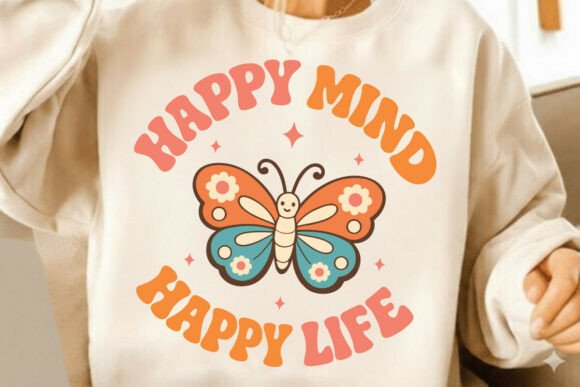
When you first open the file for Happy Mind Happy Life Sublimation, the immediate feeling is one of calm optimism. The layout suggests a central focus with text that flows naturally, which is crucial for T-Shirt Designs and other apparel graphics. The typography appears friendly and approachable, avoiding the overly rigid or corporate feel that often plagues generic digital assets. It creates an emotional connection instantly, signaling that this piece belongs on items meant for comfort, home, or personal expression.
The visual personality of this design leans heavily towards the lifestyle and wellness niche. It feels like something you would want stitched onto a soft sweatshirt after a long day or embroidered on a pillow cover in a child's room. However, from a technical standpoint, the "sublimation" aspect mentioned in the title requires careful interpretation. While sublimation is a printing method, using these Graphics for actual machine embroidery means we must look at how the shapes will convert into stitches. Does the design rely on complex gradients that machines struggle to replicate? Or does it use clean lines and distinct areas that stitch beautifully? In this case, the structure seems solid enough to handle the transition from digital vector to physical thread.
Real-Life Application: The Tote Bag Scenario
To truly test Happy Mind Happy Life Sublimation, I imagined a specific workflow. Let's say I am preparing a custom order for a local yoga studio owner who wants branded tote bags for her new students. She needs something that conveys positivity without being too loud. This design fits that brief perfectly.
If I were to place this design on a canvas tote bag, the running stitch outlines would likely provide a nice, handcrafted texture that complements the rough weave of the fabric. The text area would need to be evaluated for stitch density. If the letters are too close together, the fabric might pucker, ruining the professional look. But assuming standard spacing, the design allows for a clear message that customers can read easily even while walking through a busy market. It transforms a simple canvas bag into a personalized gift that carries a meaningful message, increasing the perceived value of the product.
This same logic applies to sweatshirt embroidery or baby clothes. On a onesie, the softer curves of the design would stand out against the smooth cotton, creating a gentle aesthetic that parents love. For a holiday gift, adding this to a kitchen towel could make a unique present that feels thoughtful rather than mass-produced. The versatility of the file format (EPS, SVG, PNG) means I can resize it to fit a small cap patch or a large blanket without losing the integrity of the lines.
Where Caution Is Required
While the mood is right, practical experience dictates that we must be careful where we apply Happy Mind Happy Life Sublimation. Not every surface is created equal. If you are planning to use this on a curved surface like a baseball cap, you must consider the distortion. Text that looks straight on a flat screen can warp significantly when stitched around a curve. For caps, it is often safer to use a smaller version of the design or break the text into two lines to maintain readability.
Texture is another critical factor. If you attempt to embroider this on a thick, textured fabric like heavy denim or a boucle knit, the details might get lost. The fill stitch areas could fail to cover the bumps of the fabric, leaving gaps. Similarly, on thin or stretchy fabrics like jersey, the tension required for the stitching could cause the material to gather and wrinkle, distorting the message. In these cases, using a high-quality stabilizer is non-negotiable to keep the design crisp.
Another area to watch is the color contrast. The description mentions easy color changes, which is excellent for customization. However, if you choose a light thread color on a dark fabric, or vice versa, ensure there is enough contrast for the design to pop. A subtle gradient effect that works in print might not translate well in thread unless you use a satin stitch technique effectively. Always check your thread colors against your fabric swatch before committing to a full production run.
Impact on Brand and Customer Trust
For Etsy sellers and small business owners, the quality of the embroidery directly impacts customer trust. A sloppy stitch job can ruin the reputation of a handmade brand. When Happy Mind Happy Life Sublimation is executed correctly, it elevates the finished product. It signals that the maker cares about detail and quality. Customers are willing to pay more for a personalized gift that looks professional and durable.
The design also supports commercial embroidery projects by offering a consistent look across different items. Whether it is a tote bag design, a pillow cover, or a kitchen towel, the visual identity remains strong. This consistency helps in building a recognizable brand for craft fairs or online shops. It turns a simple item into a memorable piece of art that customers want to show off.
Practical Notes for the Embroidery Designer
Before you start stitching, here are some essential steps to ensure success with this file:
- Test on Scrap Fabric: Never jump straight into your final product. Run a test on a scrap piece of the same material to check for puckering and alignment.
- Check Stitch Density: Review the file settings to ensure the fill areas are not too dense, which can cause thread breaks or fabric damage.
- Hoop Size Verification: Confirm that the design fits within your intended hoop size. If the design is larger than your hoop, you may need to reposition it or split the file.
- Stabilizer Selection: Choose the right stabilizer for your fabric type. Cut-away for stability on knits, tear-away for wovens, and sticky backing for difficult surfaces.
- Licensing Check: Verify the licensing terms before selling finished items. Ensure you have the right to use these design assets for commercial purposes.
- Mockup Testing: Create black and white mockups to see how the design reads without color distraction. This helps identify any clarity issues.
By following these guidelines, you can maximize the potential of Happy Mind Happy Life Sublimation. It is a versatile tool for creative entrepreneurs looking to add value to their handmade products. With the right preparation, this design can become a staple in your collection of embroidery projects.
Final Thoughts on Usability
Ultimately, Happy Mind Happy Life Sublimation offers a blend of positive messaging and flexible design that works well for a variety of applications. From baby embroidery to holiday gifts, it provides a foundation for creating items that people actually want to own. It respects the constraints of the medium while delivering a strong visual impact. For those of us in the craft business, finding designs that balance aesthetics with technical feasibility is key. This file passes that test, provided you take the time to prepare your setup correctly. It is a reliable choice for anyone looking to create professional, heartfelt, and durable embroidered goods.