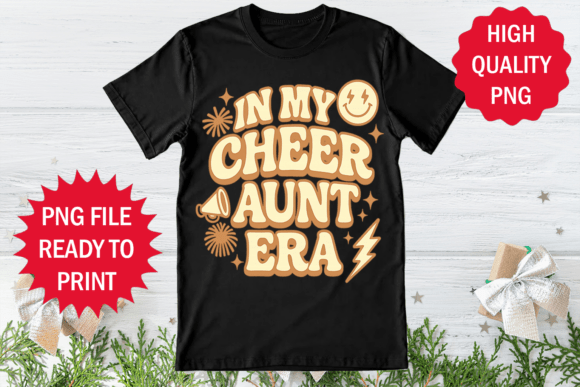
In My Cheer Aunt Era Sublimation Shirt
When I first opened the In My Cheer Aunt Era Sublimation Shirt file, my initial reaction wasn't just about the cute concept; it was about how this design would translate from a flat digital image into a tactile, stitched reality. As someone who has spent years refining embroidery files for boutique brands and personal gifts, I know that a great graphic doesn't always make a great machine embroidery design without some serious scrutiny. The "Cheer Aunt" trend is undeniably popular right now, capturing a specific nostalgic energy that resonates with families and craft communities alike. But does this particular Graphics asset hold up under the needle? Let's dive into a practical review based on real-world application.
The First Stitch: Visual Personality and Layout
The mood of the In My Cheer Aunt Era Sublimation Shirt is vibrant, playful, and deeply personal. It screams "family gathering" or "team spirit," which immediately tells me where this belongs in a product line. The layout appears designed to be eye-catching, likely utilizing bold typography and colorful elements typical of modern sublimation art. However, when we talk about converting this into an embroidery file, the color palette becomes critical. A design that looks stunning on a screen with full-color gradients can sometimes struggle if the thread count is too high or the stitch density is uneven.
I am imagining this as a custom apparel piece, perhaps placed on the chest of a cozy sweatshirt or the front pocket of a denim jacket. The visual personality fits perfectly with handmade products meant to celebrate relationships. It isn't just a logo; it's a statement. For an Etsy seller looking to capitalize on the auntie aesthetic, this design offers a strong hook. But before you list it, you need to consider how the details will render. If the original artwork relies heavily on tiny text or intricate shading, those areas might flatten out once converted to stitches, losing the charm of the original T-Shirt Designs.
Real-World Application: From Screen to Fabric
Let's imagine a real scenario. You are preparing for the holiday season and want to create a special gift for your niece's wedding party or a family reunion. You decide to use the In My Cheer Aunt Era Sublimation Shirt motif on a set of matching tote bags and aprons. This is where the true test begins. Tote bags often require sturdy stabilizers because the canvas fabric can shift under the tension of the needle. If the design features a lot of fill stitch areas to create solid blocks of color, you must ensure your hoop size is large enough to keep the fabric taut without puckering.
I also see this design thriving on baby items. A onesie or a soft bib featuring this theme could be a hit for shower gifts. However, baby embroidery requires extra care. The stitch density needs to be lighter than what you would use on a heavy-duty hoodie. Too much stitching can make a garment stiff and uncomfortable against sensitive skin. When evaluating the machine embroidery design aspect, I'd look closely at the corners of any letters or shapes. If they are too sharp or detailed, they might not hold up well after repeated washing, which is a common complaint with personalized gifts intended for young children.
Another excellent use case is the embroidered patch. If you have access to cut-applique techniques, this design could be transformed into a durable badge for backpacks or caps. The applique design potential here is significant because it adds texture and dimension that standard satin stitch cannot achieve. Imagine a leather patch version of the "Cheer Aunt" slogan sewn onto a denim vest. That kind of finished product elevates the perceived value of your craft business items significantly.
Where to Proceed with Caution
Not every surface is a match for this design. While the In My Cheer Aunt Era Sublimation Shirt graphic is versatile, there are specific scenarios where it might fall short. Small hoop sizes are a major constraint. If you are trying to fit this design onto a narrow cap brim or a small wristband, the detail level might get lost entirely. Curved surfaces like hats require careful digitizing to account for the curvature; otherwise, straight lines can look warped or distorted.
Textured fabrics are another area of concern. If you attempt to stitch this on a boucle knit or a heavily textured linen, the satin stitch may not lay flat, creating gaps or uneven coverage. Thin or stretchy fabrics, such as single-knit jersey used for cheap t-shirts, can pucker easily if the design has a high density of running stitch or dense fill areas. In these cases, the weight of the thread and the tension of the machine can cause the fabric to gather, ruining the clean look of the finished product.
Dense stitch areas should also be avoided on dark fabrics unless you are using a high-quality underlay system. Without proper stabilization and underlay, the top threads might sink into the fabric, making the colors appear muddy rather than bright. If you are selling these items, consistency is key. A customer expecting a crisp, professional look might be disappointed if the design lacks definition due to poor fabric choice.
Designer Notes for Success
To ensure the In My Cheer Aunt Era Sublimation Shirt performs beautifully in your projects, follow these practical steps. Always test the design on scrap fabric first. This simple step can save you hours of frustration and wasted materials. Check the thread color contrast carefully; vibrant colors on the screen might look different when translated to polyester or cotton thread.
Review the stitch density before finalizing your production run. If the design feels too heavy, consider reducing the fill percentage or switching to a combination of satin stitch and running stitch to lighten the load. Confirm your hoop size matches the dimensions of the design, leaving enough margin for the fabric to grip securely. Inspect small details closely, especially lettering. If the text is too small, it may become illegible after stitching.
It is also wise to test the design in black and white mockups. This helps you visualize the shape and flow without the distraction of color, ensuring the composition works structurally. Compare light and dark fabric backgrounds to see how the thread colors interact. Use the proper stabilizer for your specific fabric type; tear-away for stable wovens and cut-away for stretchy knits are standard rules of thumb.
Finally, verify whether the design works for both personal and commercial projects. Many digital embroidery file licenses vary significantly. If you plan to sell the finished items, you must confirm the licensing terms to avoid legal issues. Ensure you have the rights to produce commercial embroidery pieces based on this asset. By taking these precautions, you protect your reputation as a reliable Etsy seller or small shop owner.
Ultimately, the In My Cheer Aunt Era Sublimation Shirt has the potential to be a standout addition to your collection of design assets. It captures a fun, relatable moment that customers love. With careful planning regarding fabric selection, stabilization, and stitch settings, you can transform this digital concept into a cherished handmade product that stands out in a crowded market. Whether you are making a quick gift or building a brand, this design offers a solid foundation for creativity.