I Wear Pink for My Aunt Sublimation Png Review
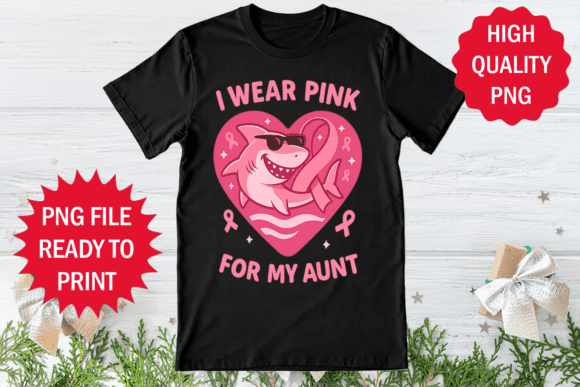
When I first opened the file for I Wear Pink for My Aunt Sublimation Png, my immediate reaction wasn't about the colors or the specific typography. It was about the emotional weight behind the phrase. As a designer who spends hours evaluating digital assets before they ever touch an embroidery machine, I look for that spark—the moment a design feels like it belongs in a real human story rather than just another generic clipart collection. This piece carries a quiet strength. It is not loud or aggressive; instead, it radiates support, love, and solidarity. For anyone running a boutique, selling on Etsy, or creating personalized gifts for clients, this design offers a unique opportunity to connect deeply with customers who are navigating family health challenges.
The visual personality of this graphic is warm and inviting. The "pink" element immediately signals awareness, likely breast cancer, but the inclusion of "Aunt" personalizes it instantly. It transforms a broad cause into a specific, intimate tribute. When I imagine this design being stitched onto fabric, I see it as more than just decoration; I see it as a badge of honor. The layout appears balanced enough to work across various mediums, from a small patch on a denim jacket to a larger statement on a sweatshirt. However, the transition from a sublimation-ready PNG to a tangible embroidered product requires careful consideration. A good graphic is one thing; a successful embroidery file is quite another.
From Screen to Stitch: Real-World Application
Let's talk about how this design performs when we move it out of the digital realm and into the hoop. In my experience, designs with strong text and symbolic imagery need to be evaluated based on stitch density and lettering clarity. If I Wear Pink for My Aunt Sublimation Png features fine lines or tiny serifs, those details can get lost if the stitch count isn't optimized. For a project involving custom apparel like a cozy hoodie or a durable tote bag, the design needs to hold its shape against the tension of the fabric.
I recently considered using a similar concept for a holiday gift project for a client whose aunt had been through treatment. The goal was to create a keepsake apron for the kitchen. The challenge there is always fabric texture. An apron is often made of cotton canvas or linen, which can shift under the needle. If the design includes a lot of fill stitches to create the pink color, the fabric might pucker unless a high-quality stabilizer is used. Conversely, if the design relies on satin stitch for the lettering, it will look crisp and professional, elevating the perceived value of the finished product. This is crucial for Etsy sellers or craft fair vendors who want their handmade items to stand out as premium goods.
The versatility of this graphic extends beyond clothing. I envision it working beautifully on baby clothes, perhaps as a gentle reminder on a onesie for a little girl whose aunt is a hero. However, for baby embroidery, safety and comfort are paramount. The design must not have any raised edges that could irritate sensitive skin, and the thread colors should be soft, avoiding harsh contrasts that might startle an infant. Similarly, applying this to a cap or hat presents a different set of challenges due to the curved surface. A flat design might distort on a baseball cap unless the digitizing accounts for the curvature of the head. That is why checking the original file specifications is non-negotiable before starting production.
Navigating Technical Pitfalls
Not every surface is a friend to embroidery. While I Wear Pink for My Aunt Sublimation Png looks great on paper, certain fabrics demand caution. Thin fabrics, such as silk or lightweight polyester blends common in athletic wear, are prone to puckering if the design has too much density. If you plan to use this for a commercial embroidery project on a stretchy material, you must test the design on scrap fabric first. Without proper testing, you risk ruining expensive inventory or disappointing a customer who expects a flawless finish.
Dark fabrics present another hurdle. If the design relies on light-colored threads to create the pink hue, it might lack contrast against a black or navy background. In these cases, a white underlay or a lighter base layer might be necessary, which adds time and cost to the production process. Additionally, small details in the corners of the design or tiny decorative accents can sometimes get swallowed up by the stitching process. If the original graphic includes intricate patterns around the text, ensure they are large enough to be resolved by the machine. Tiny lettering is particularly risky; if the letters are too close together, they may merge into a blob of thread, ruining the legibility of the message.
For products that require frequent washing, like kitchen towels or daily-wear t-shirts, the durability of the stitch placement is key. Loose stitches or areas with low density can unravel over time, leading to customer complaints. This is where understanding the difference between a sublimation print and an embroidery file becomes vital. Sublimation dyes the fabric, while embroidery sits on top of it. The tactile nature of the thread means the design must be robust enough to withstand friction and washing cycles without losing its form.
Strategic Value for Creators and Sellers
For the creative entrepreneur, I Wear Pink for My Aunt Sublimation Png represents more than just a pretty image; it is a conversation starter. Personalized gifts carry immense emotional value, and buyers are often willing to pay a premium for items that tell a story. By offering this design on high-quality products like embroidered patches, pillow covers, or boutique branding materials, you position your shop as a place for meaningful connection.
However, success in the handmade market depends on professionalism. Before listing this design on Etsy or using it for commercial purposes, you must confirm the licensing terms. Does the purchase allow for resale of physical items? Are there restrictions on the number of units you can sell? These questions matter because violating copyright or usage agreements can lead to account suspensions or legal trouble. Always review the provided documentation carefully.
To ensure the highest quality output, I recommend a few practical steps before committing to a full production run. First, convert the design to a black-and-white mockup to check the balance of negative space. This helps you see if the design is too busy or if the text stands out clearly. Second, test the thread color contrast on both light and dark backgrounds to ensure visibility. Third, inspect the small details closely. If the design includes a ribbon or other symbolic element, make sure the stitching path is smooth and doesn't leave gaps.
Ultimately, the success of an embroidery project lies in the execution. A beautiful design like I Wear Pink for My Aunt Sublimation Png can elevate a simple tote bag into a cherished heirloom, but only if the technical aspects are handled with care. Whether you are a hobbyist making a gift for a loved one or a business owner scaling your product line, taking the time to evaluate the design's suitability for your specific fabric and machine will pay off in the final result. The goal is to create a finished product that honors the sentiment of the design while maintaining the high standards that customers expect from modern handmade goods.
By approaching this project with a critical eye and a focus on practical application, you ensure that the final embroidered piece not only looks good but feels right. It becomes a symbol of support that lasts, stitched into the very fabric of someone's life.